How Provantix works
One pipeline from raw telemetry to verifiable evidence: ingest, attribute, investigate, prove. Each stage writes to a chain that an auditor can recompute on their own machine, and our signature on the export checks against a published key.
Telemetry enters through one front door
Direct HTTP posts, SDK sessions and Langfuse/LangSmith imports all converge on the same validated ingestion pipeline. Events are schema-checked, signature-verified, and written to your organization's private Postgres database with pgvector. Monthly partitions keep queries fast at any volume.
- ✓ Signed payloads, verified at the edge
- ✓ Per-org emitter keys, rotation rolling out
- ✓ Backfill imports land in the same evidence model

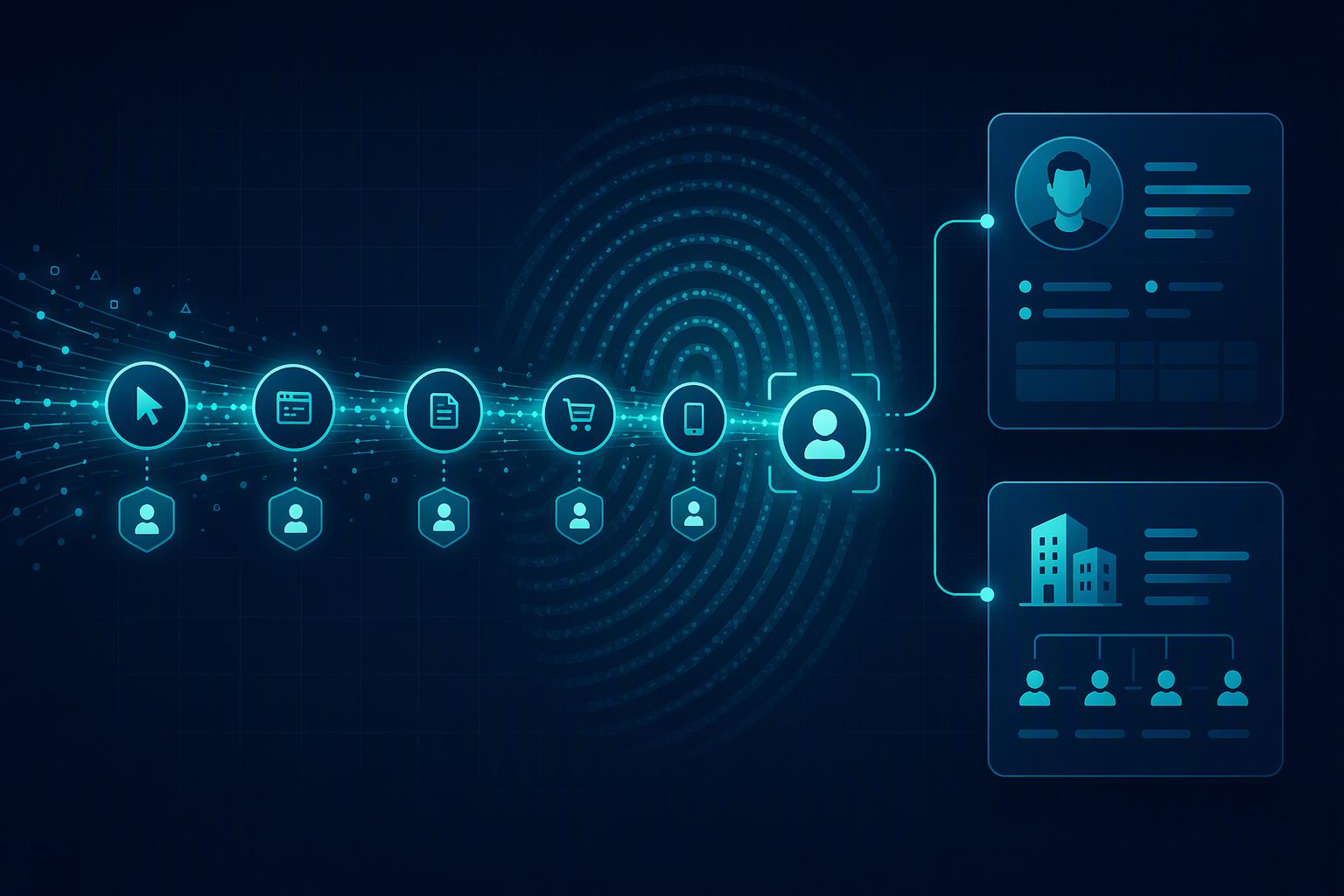
Every event gets an identity
Identity connectors read the systems of record, Entra ID for workload identities and sign-ins, Microsoft 365 audit for collaboration-estate activity, and soon Salesforce and ServiceNow. Each telemetry event is bound to an agent identity, an owning human or team, and the credential that authorized it.
- ✓ Entra service principals discovered automatically
- ✓ Sign-in events matched by credential type
- ✓ Unattributed events flagged, never dropped
Findings emerge from the chain, not from dashboards
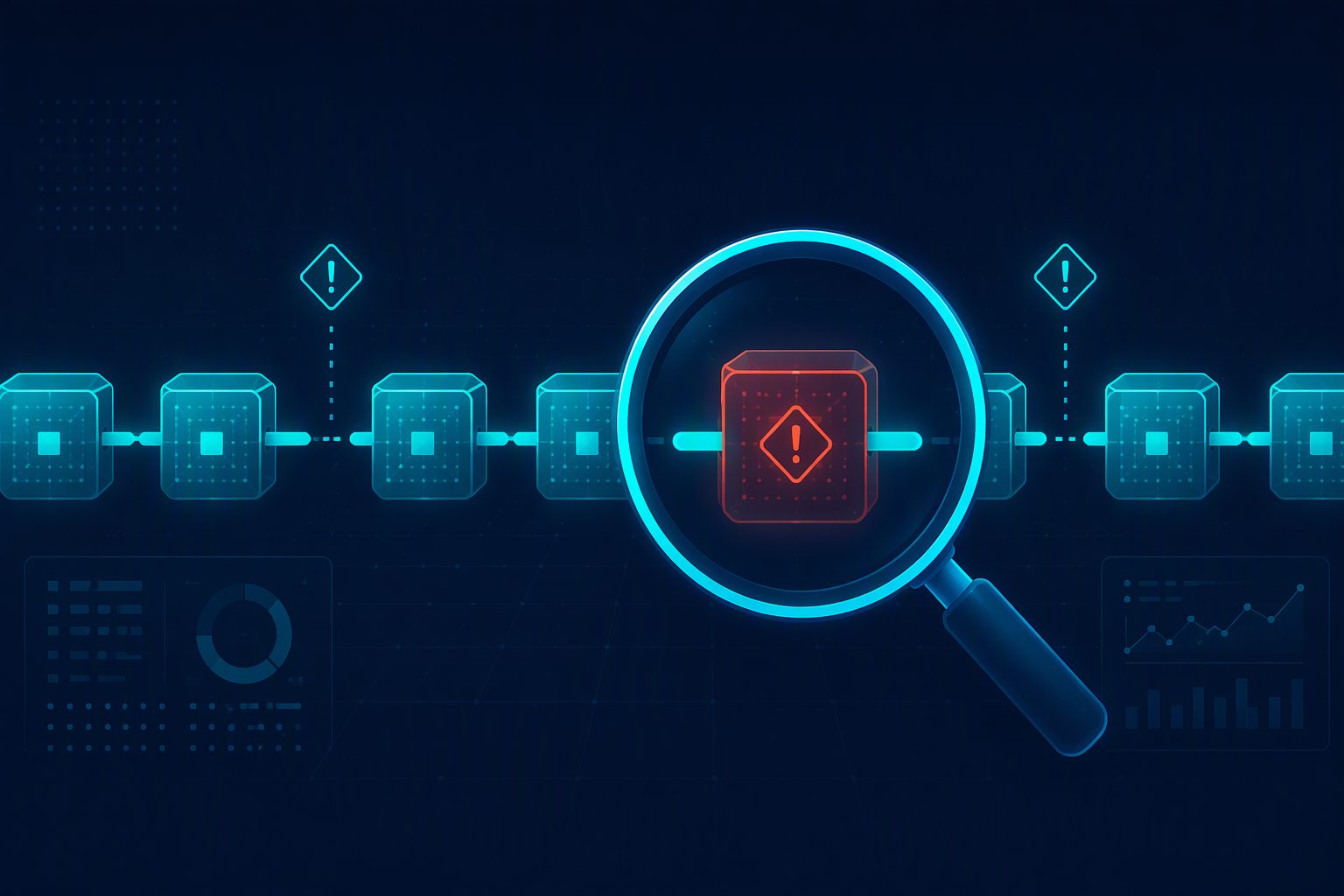
Events link into ordered chains per agent and per session. Rules inspect the chains: shared credentials, reach beyond granted authority, unowned agents, standing admin grants. Every finding carries its full evidence trail, one click from summary to raw signed events, plus a status and history that survive across runs.
- ✓ Chain integrity checked continuously
- ✓ Findings with severity, status and full history
- ✓ Semantic search across the estate, full-text on the roadmap
Evidence exports that verify themselves
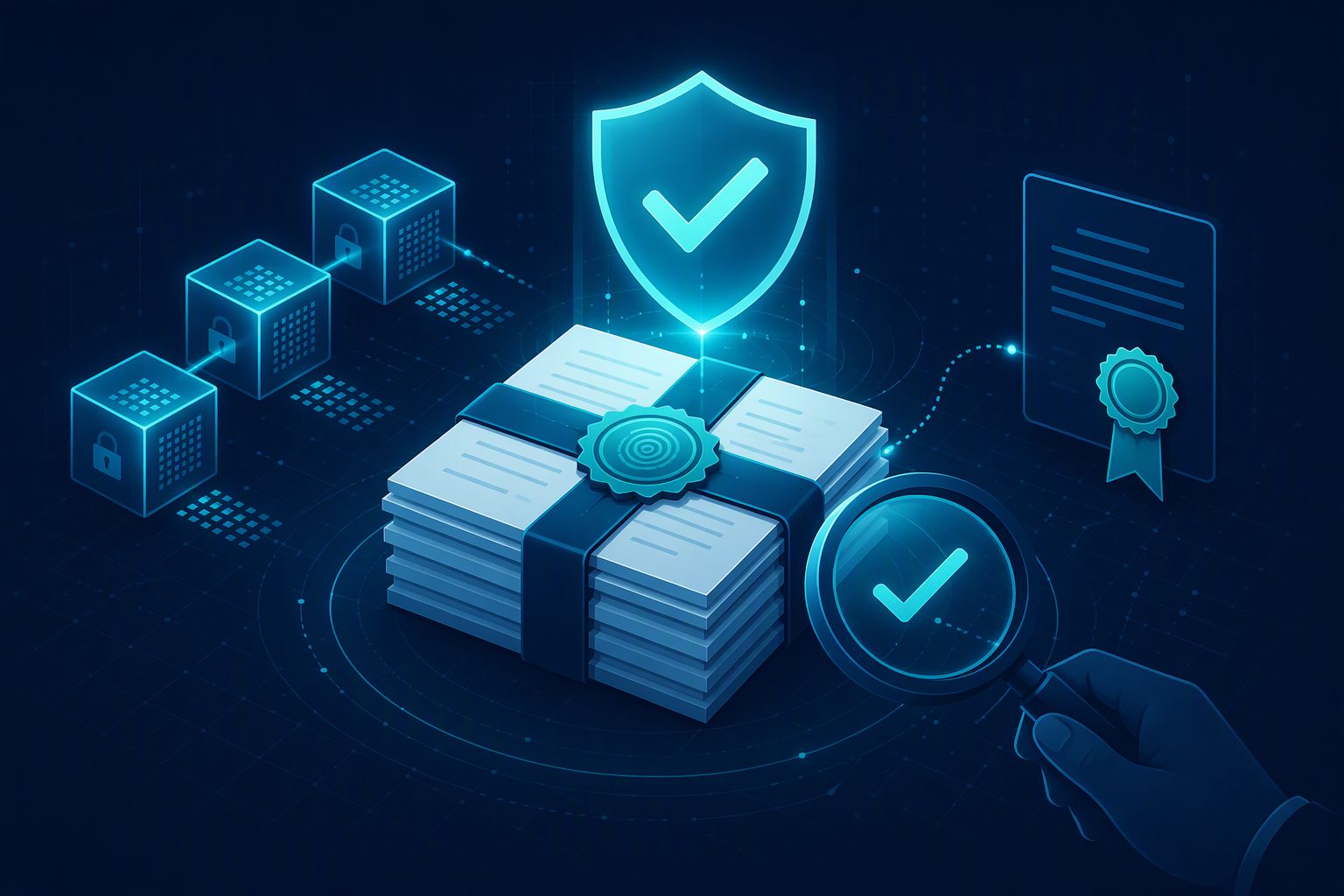
A report is an evidence bundle: the attributed event chain and a manifest of custody hashes. An auditor re-hashes the bundle and confirms nothing changed after export; manifest signing is rolling out. Finding history and agent records inside exports are on the roadmap. Missing evidence is reported as missing, never smoothed over.
- ✓ Self-authenticating custody hashes
- ✓ Gaps surfaced explicitly in every export
- ✓ JSON today, PDF on the roadmap
Four layers, zero shared tenancy
- · Your agents (HTTP / SDK)
- · Langfuse · LangSmith imports
- · Entra ID · Microsoft 365 audit
- · Salesforce · ServiceNow (roadmap)
- · Signature verification
- · Schema validation
- · Per-org routing
- · Ordered chain assembly
- · Dedicated Postgres per org
- · pgvector for semantic search
- · Monthly time partitions
- · Custody hash chain
- · Findings & investigations
- · Agent inventory & ownership
- · Evidence exports, JSON today, PDF on the roadmap
- · Auditor verification manifest, signing rolling out
What runs where
The deployment model in one picture: agents and connectors run inside your network, the integrity chain starts on your side, and every organization's evidence lives apart from every other's.
Your agents, our SDK, or plain HTTP
- · Agent code wraps the Node.js SDK or calls plain HTTP; any host, cloud, VPS, bare metal or Proxmox
- · Payloads are signed with your emitter key at capture time
- · Ships over outbound HTTPS only; nothing needs inbound access
- · Microsoft connectors (Entra ID in beta, Microsoft 365 in validation) run from the collector daemon in your network; a packaged container and systemd install are coming
Outbound HTTPS, signatures verified at the edge
- · One POST endpoint per organization, TLS only
- · Signatures checked before storage, tampered batches are rejected
- · Identity connectors call Microsoft APIs using an app registration you control and can revoke
An isolated database per organization
- · Dedicated Postgres + pgvector per org, no shared schema
- · Custody hash chain assembled per agent and session
- · Findings, inventory and exports read from your org's store only
- · An in-cloud collector that keeps raw telemetry inside your own VPC is on the enterprise roadmap
What the evidence proves — and what it doesn't
The chain proves attribution, sequence and integrity. It does not grade your agent's answers, and it holds hash-only content. Stated limits are part of the evidence model.
- ✓ which workload identity acted, who owns it, and which credential authorized it
- ✓ the order of actions and that no record was altered after signing
- ✓ declared reach vs observed activity, with gaps reported as gaps
- · whether the agent's answer or task outcome was right — outcomes are technical
- · the content of prompts and completions — kept as hashes only
- · events your telemetry never emitted — coverage is stated per metric
Anatomy of an evidence record
Every stored event carries the fields a regulator asks for, by construction, not by report-time assembly.
| event_id | Content-addressed ID, same action, same ID, same day or not |
| agent_id | The workload identity that acted, resolved via Entra ID |
| actor | The human or team that owns the agent's mandate |
| credential | How the agent authenticated, certificate, secret, token |
| chain_hash | Links to the previous event; breaks if anything is altered |
| signature | ECDSA signature over the batch, verified before storage |
Your agents are already acting.
Start proving who authorized them.
Early-access organizations get a dedicated database, identity connectors, and a guided import of their existing traces.
Invite-only during early access. Google Workspace SSO supported from day one.